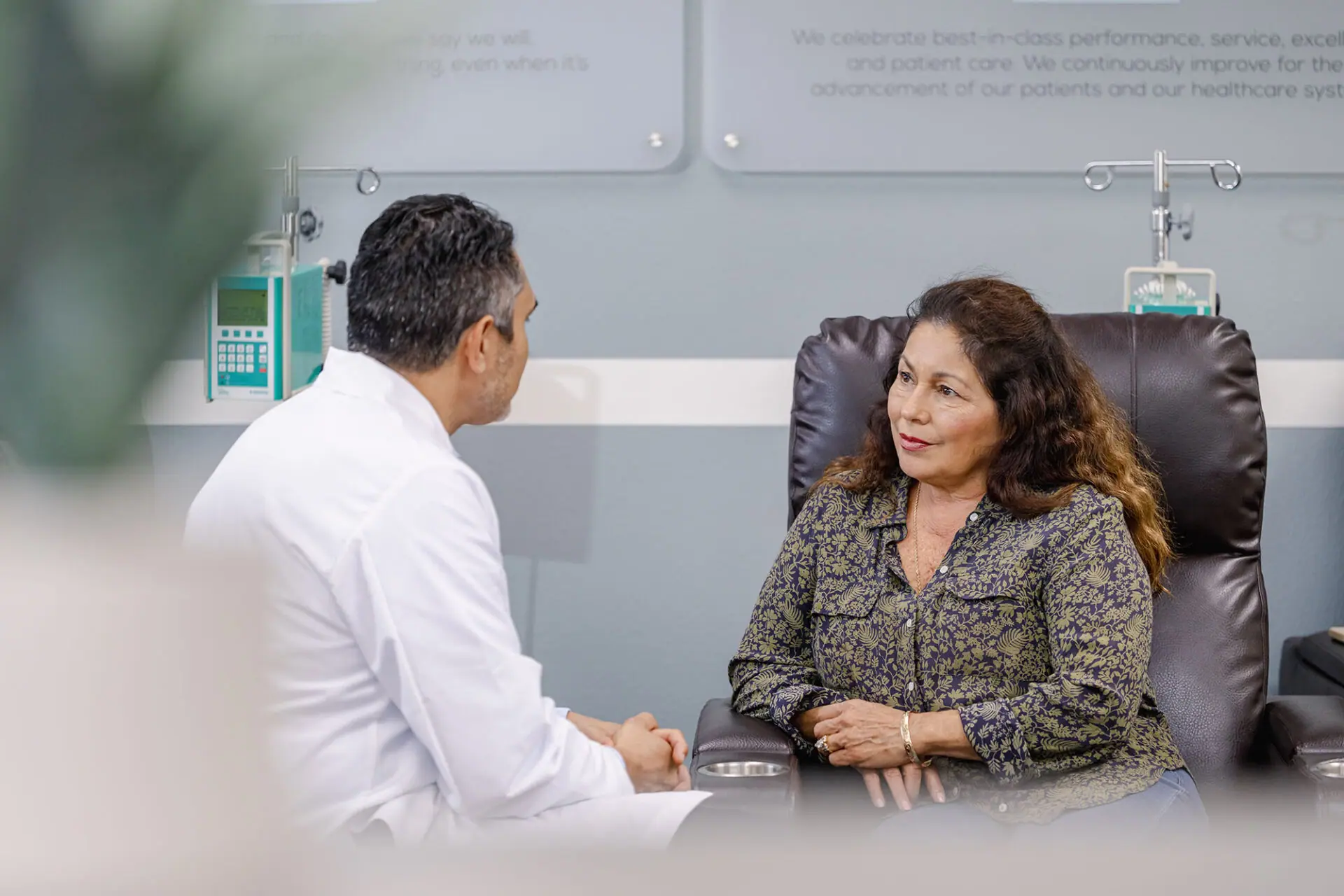
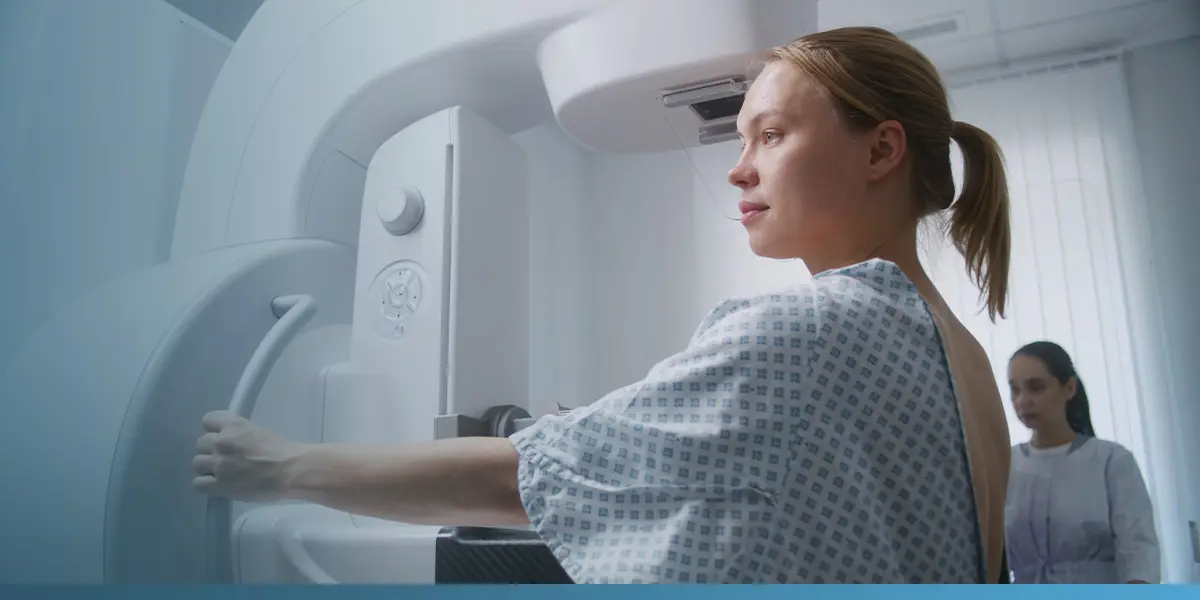
This September, Starling Oncology invites you to join us in remembering those affected by reproductive cancers during Gynecologic Cancer Awareness Month. Help us honor those we have lost by learning more about how to recognize and address gynecologic cancer. The more you know about this collection of conditions, the better prepared you’ll be to recognize changes in your own body and seek medical care early.
Gynecologic Cancer Is More Than One Disease
Gynecologic cancer is an umbrella term that refers to the five types of cancer that affect the female reproductive system:
Cervical cancer: The cervix is the area between the uterus and the vagina, and cancer here is usually caused by HPV (Human Papillomavirus).
Ovarian cancer: Ovarian cancer may develop in a few structures within the ovaries, including epithelial cells, germ cells, and stromal cells.
Uterine or endometrial cancer: This type of cancer affects the lining of the uterus. The Foundation for Women’s Cancer also includes gestational trophoblastic disease (GTD) in this category — a cancer that develops from the placenta during pregnancy.
Vaginal cancer: Vaginal cancer affects the birth canal, or the area between the uterus and external genitalia. This cancer is most commonly diagnosed in menopausal or post-menopausal women beyond the age of 50.
Vulvar cancer: The vulva refers to the external genitalia, including the labia, urethra, vaginal opening, and clitoris. It is one of the rarer forms of gynecologic cancer and is associated with HPV, smoking, and chronic inflammation.
Common Gynecologic Cancer Symptoms
Symptoms can vary depending on the type of gynecologic cancer, and some people may not notice symptoms right away. Consider speaking with your gynecologist if you notice:
Pelvic or lower abdominal pain
Bleeding after intercourse or outside of periods
Unusual discharge
Changes in urination or bowel movements
Gynecologic Cancer Risk Factors
Because gynecologic cancer encompasses many diagnoses, the exact risk factors will vary by person. In general, though, these conditions and actions can put you at a higher risk for cancer:
Smoking
Infections like HPV and STIs
A family history of cancer
Aging and experiencing menopause
Infertility or not having children
Gynecologic Cancer Prevention — What Can You Do to Help Protect Yourself?
The best things you can do to protect yourself from gynecologic cancers are to:
Know the symptoms: Knowing what changes to look out for can help you reach out for medical support early, which increases your chances of successful treatment and remission.
Understand your risk: If any of the listed risk factors apply to you, know that you may have a higher chance of developing these cancers. You can talk to your doctor about ways to improve your health and minimize your risk.
Be proactive: If you have a uterus, visit your gynecologist regularly. Make sure you get your Pap smears on schedule and that you bring up any changes in your body that you have noticed. While a doctor may not be able to predict if you’ll develop cancer, early detection is critical for effective treatment.
Get Checked Today at Starling Oncology
Whether you want to know more about your risk or you’re looking for specialized, patient-centric cancer care, Starling Oncology is here to support you. We provide screenings, diagnostic support, and personalized gynecologic cancer treatment every day. Learn more about our services or schedule your first consultation when you contact us today.